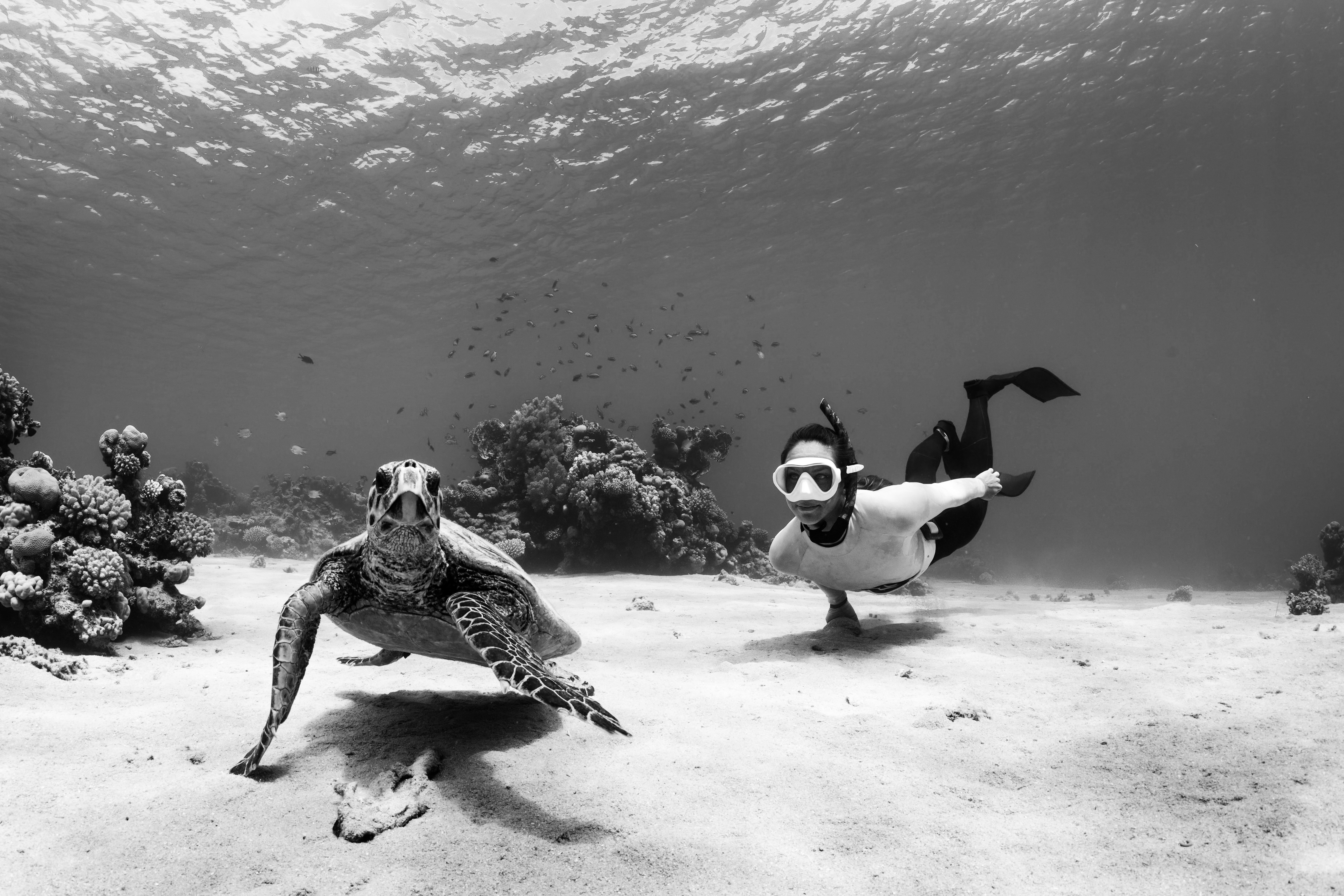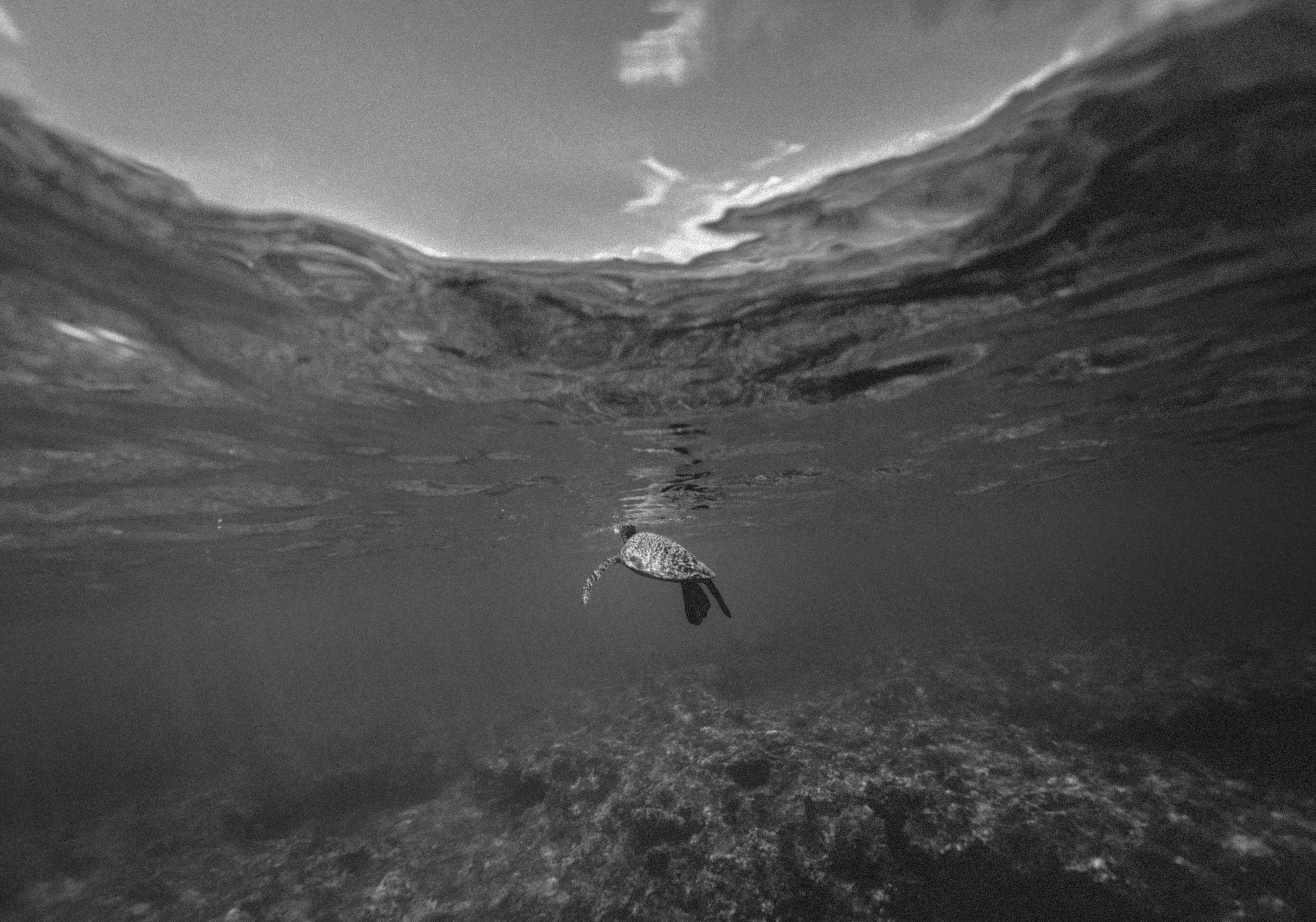
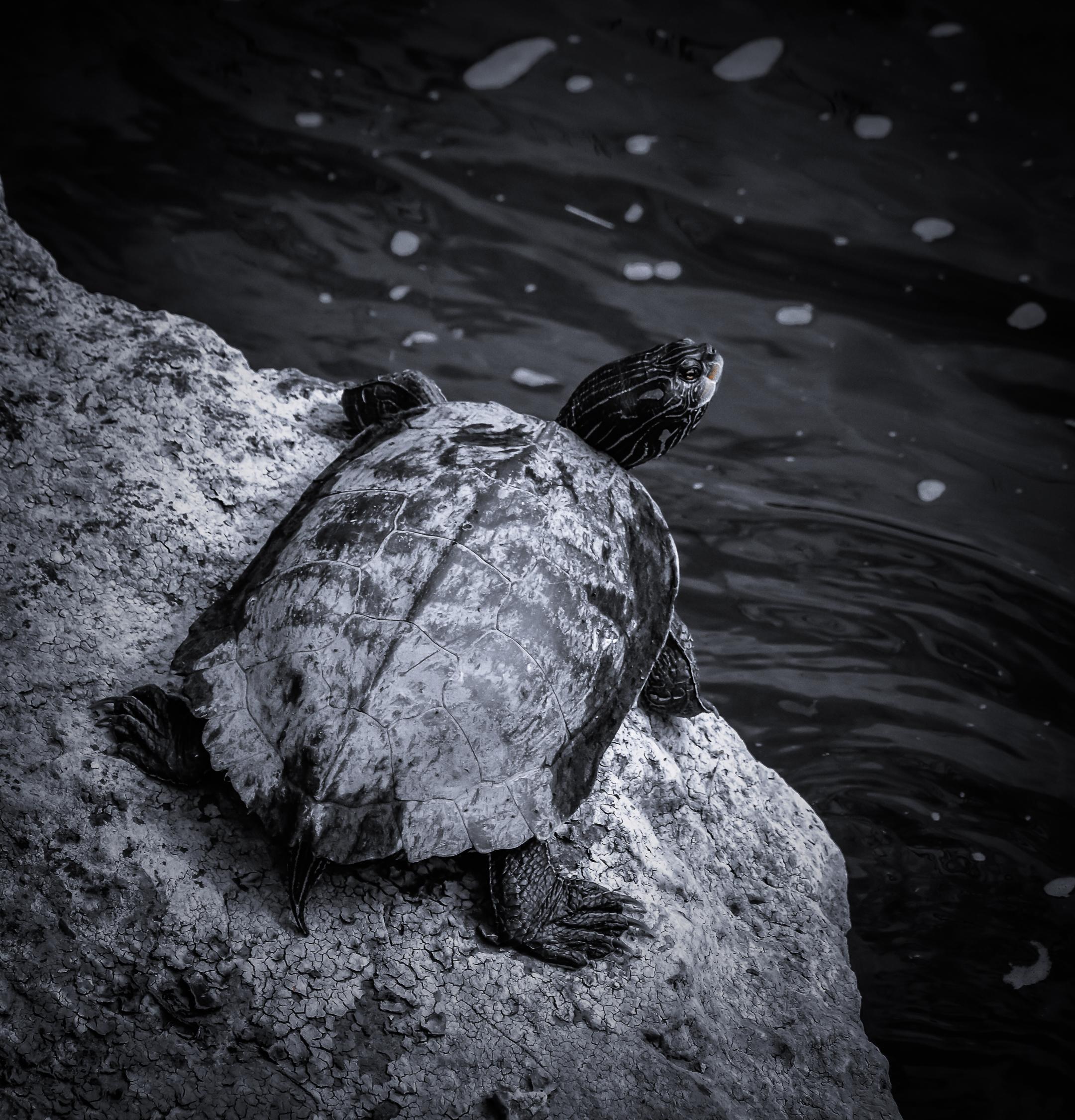
Water and air pollution can harm turtles and their habitats.

LRising temperatures and sea levels affect nesting sites and alter marine ecosystems.
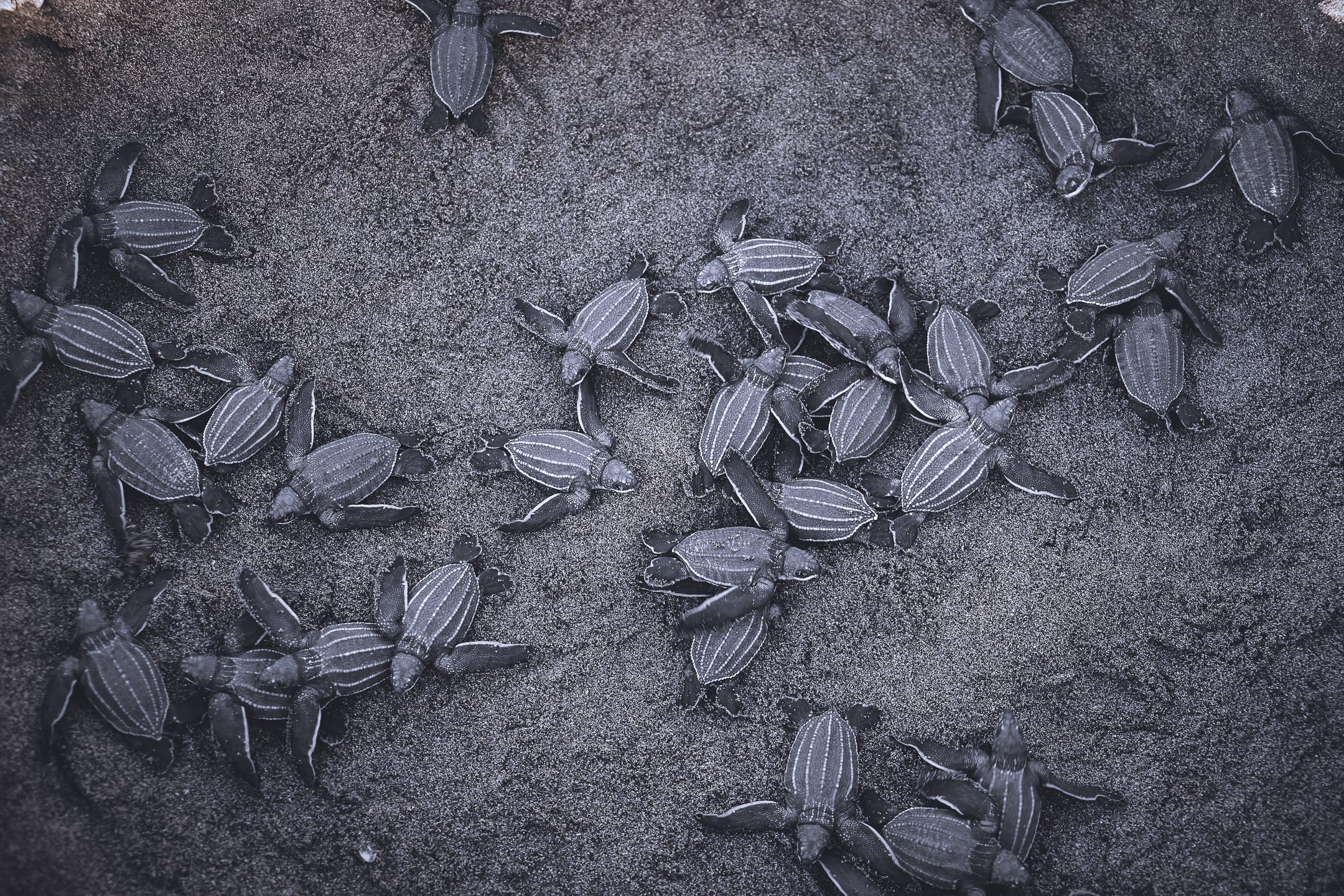
Loss of nesting beaches and feeding areas due to human activities.
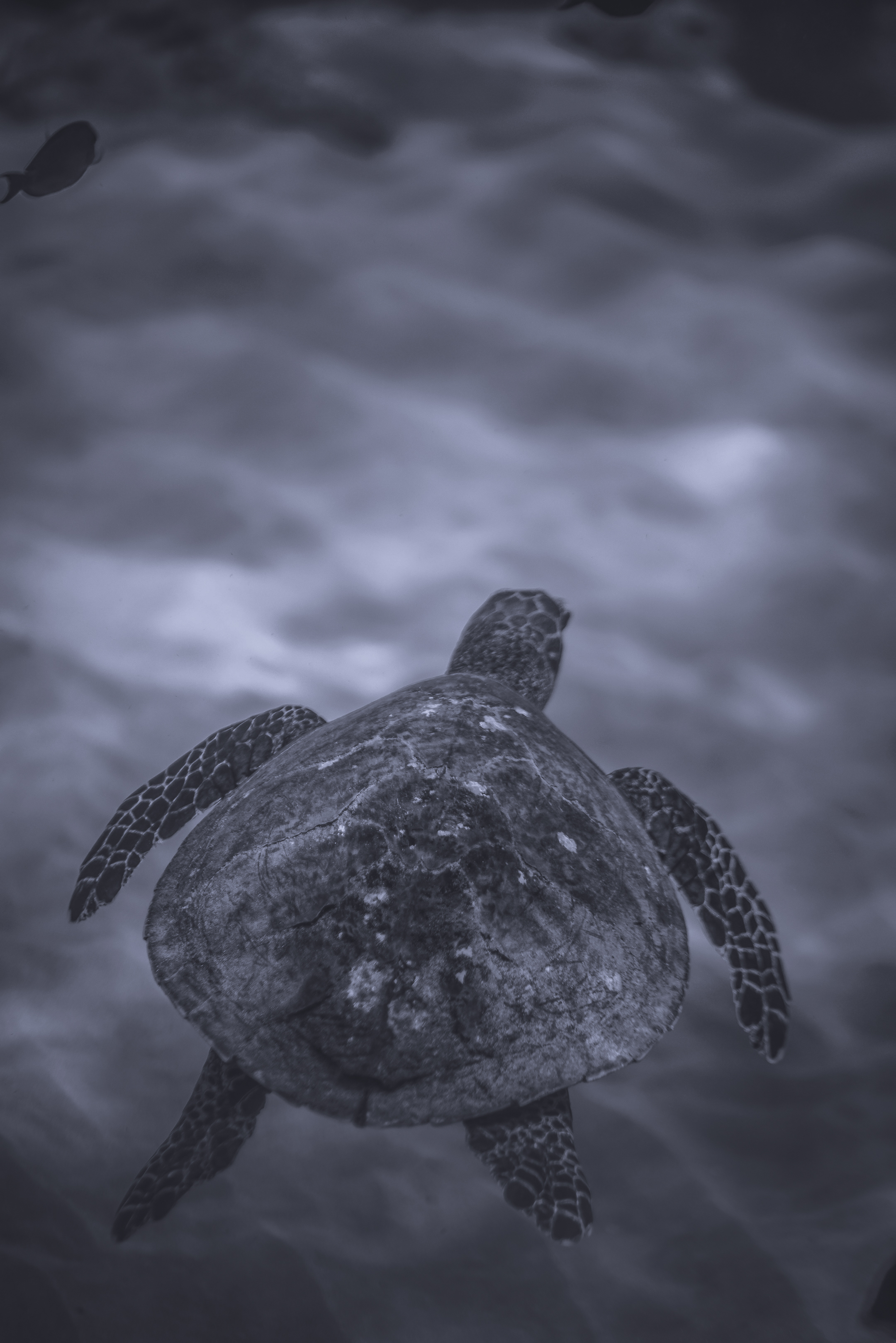
Poaching and trafficking of turtles for their meat, shells, and eggs.
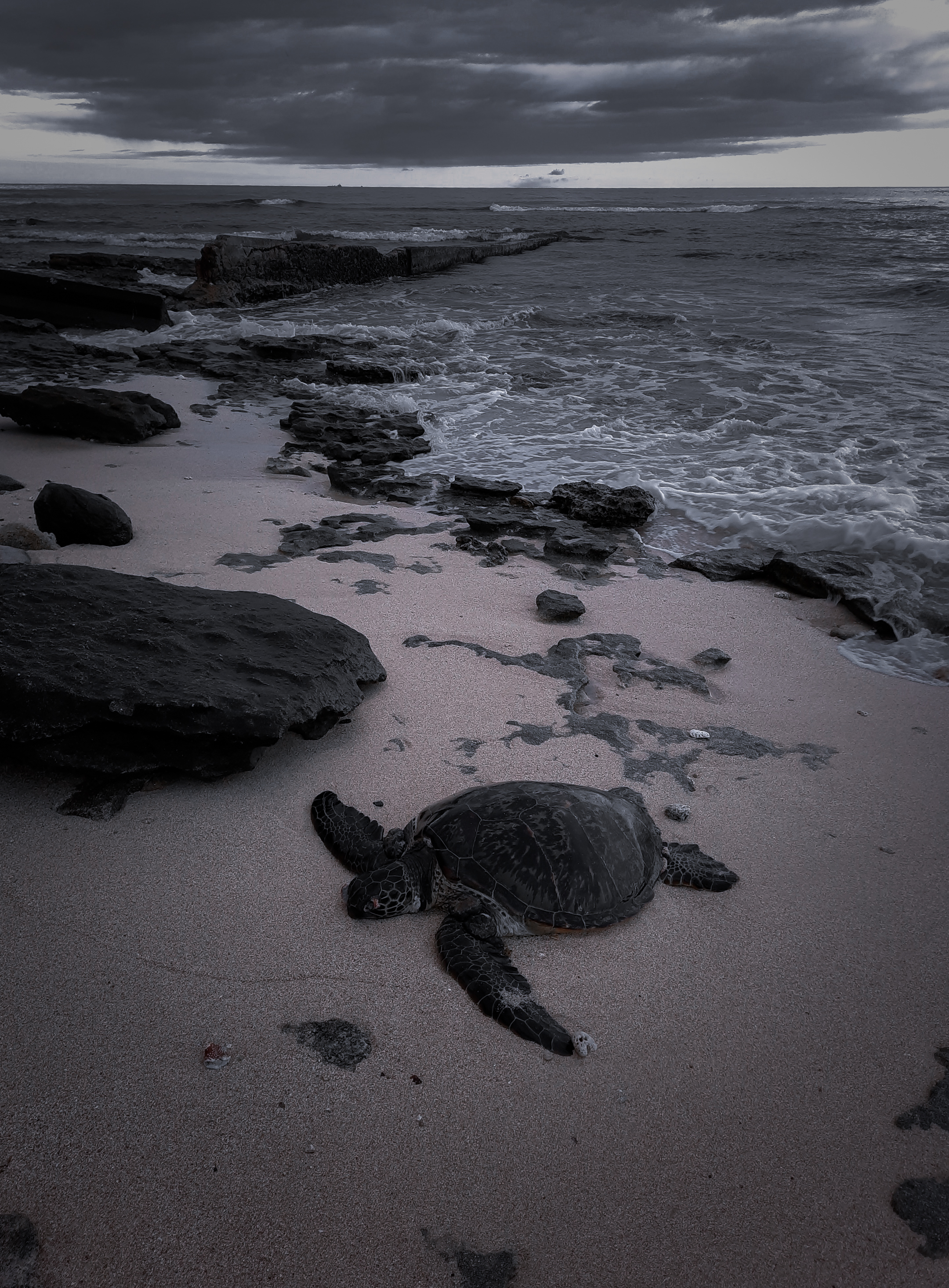
Turtles can mistake plastic for food, leading to ingestion and entanglement.

Fishing gear and marine debris can trap and injure turtles.
Plastic Pollution - Plastic pollution poses a significant threat to turtles as they often mistake plastic debris for food, leading to ingestion and digestive issues. This can result in malnutrition, internal injuries, and even death. Additionally, turtles can get entangled in discarded fishing nets and other plastic waste, which hampers their movement and can cause severe injuries or suffocation. The widespread presence of plastic in oceans and beaches exacerbates these risks, highlighting the urgent need to address and reduce plastic pollution for the protection of turtle populations.
Climate Change - Climate change poses a threat to turtles by altering nesting beach temperatures, affecting hatchling sex ratios, and disrupting ocean currents and food availability. Rising temperatures and sea levels jeopardize their habitats and survival.it can lead to the loss of nesting areas due to coastal erosion and rising sea levels. It can also affect the availability of food sources, impacting the overall health and reproductive success of turtles. Changes in ocean temperature and acidity further jeopardize their survival.
Entanglement - Entanglement in fishing nets and marine debris is a significant threat to turtles. It can cause injuries, limit mobility, impair feeding, and result in drowning. Disentanglement efforts and responsible waste management are crucial to mitigate this threat. It poses severe risks to turtles as they can become trapped and unable to escape, leading to injuries, amputations, and even death. It hampers their ability to swim, feed, and evade predators, ultimately impacting their overall health and survival. Efforts to reduce marine debris and promote sustainable fishing practices are vital for mitigating this threat and ensuring the well-being of turtle populations.