
Sri Lanka is home to many globally endangered species, including sea turtles. Sea turtle hatcheries are commonly seen on Sri Lanka's western and southern coasts.
The best time to visit a Sea Turtle Hatchery is when the female sea turtles return to their nesting grounds to lay their eggs.
Sri Lanka is home to several beautiful turtle hatcheries, each contributing to the conservation of these magnificent creatures. From the Ahangama Sea Turtle Hatchery Center to the Kosgoda Sea Turtle Conservation Project, these sanctuaries protect and release hatchlings while raising awareness about the importance of sea turtle conservation.
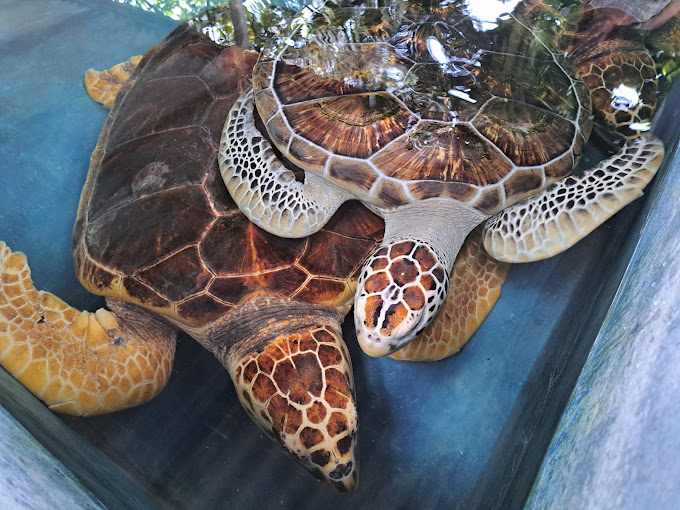
The Sea Turtle Hatchery Centre in Mahamodara is a conservation organization dedicated to protecting the sea turtle population in Sri Lanka. The hatchery is located in Galle, a historic city on the southern coast of Sri Lanka. The center is committed to the preservation of all five species of sea turtles that are found in Sri Lanka, including the Olive Ridley, Green, Leatherback, Hawksbill, and Loggerhead turtles. The Sea Turtle Hatchery Centre in Mahamodara is a popular destination for tourists and visitors who are interested in learning about sea turtle conservation and the unique challenges that these creatures face in the wild. The hatchery allows visitors to observe the turtles in a protected environment, and they also offer educational programs and guided tours to teach visitors about the importance of sea turtle conservation. The Sea Turtle Hatchery Centre in Mahamodara is doing important work to protect Sri Lanka's sea turtle population, which has faced significant threats from poaching, habitat loss, and other factors. The hatchery is a testament to the dedication and hard work of conservationists in Sri Lanka who are committed to preserving these amazing creatures for future generations to enjoy. The Sea Turtle Hatchery Centre in Mahamodara is one of several hatcheries and conservation organizations dedicated to protecting sea turtles in Sri Lanka. While sea turtles have been an important part of Sri Lankan culture and history for centuries, the population has declined significantly in recent decades due to a variety of human-induced factors.
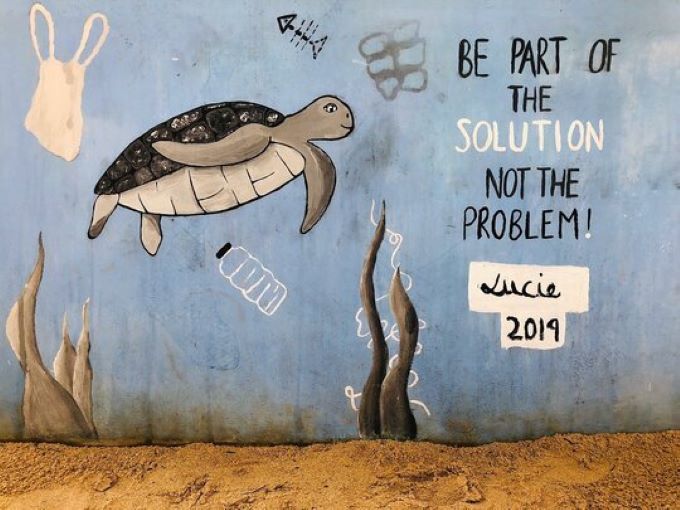 Sea Turtle Hatchery Centre, Urawatte
TThe Urawatte Sea Turtle Hatchery Centre is a conservation organization located in the coastal town of Hikkaduwa in Sri Lanka. The center is dedicated to protecting and conserving the sea turtle population in Sri Lanka, which has faced significant threats from poaching, habitat loss, and other human-induced factors. One of the key goals of the Urawatte Sea Turtle Hatchery Centre is to protect sea turtle nesting sites along the coast of Sri Lanka. Female sea turtles lay their eggs on the beach, and the hatchery works to monitor and protect these sites to ensure that the eggs have the best possible chance of hatching and producing healthy hatchlings. In addition to their hatchery and conservation efforts, the Urawatte Sea Turtle Hatchery Centre is also involved in a variety of research and educational activities. The center conducts studies on sea turtle behavior and biology, tracks migration patterns, and provides educational programs and tours for visitors and local communities. The Urawatte Sea Turtle Hatchery Centre is a popular destination for tourists and visitors who are interested in learning more about sea turtle conservation and the unique challenges that these creatures face in the wild. The center offers guided tours and educational programs that teach visitors about the importance of sea turtle conservation and the role that they can play in protecting these amazing creatures.
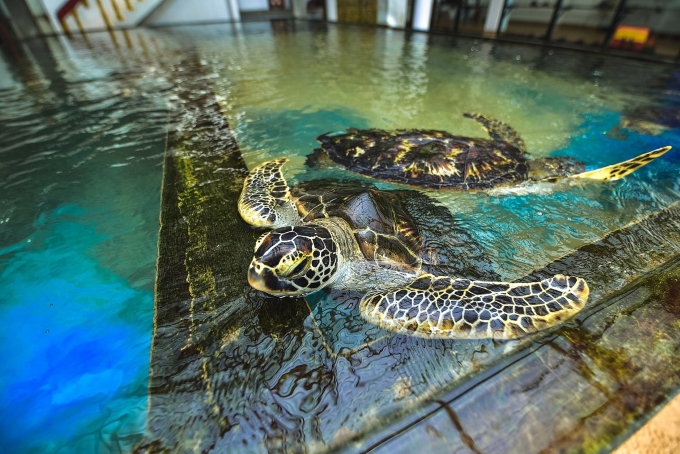 Sea Turtle Hatchery Centre, Ahangama
The Ahangama Sea Turtle Hatchery Center in Sri Lanka stands as a beacon of hope for the endangered sea turtle population. Nestled along the picturesque coastline of Ahangama, this conservation center serves as a critical sanctuary for these magnificent creatures. Through constant monitoring and protection, the center ensures the survival of sea turtle eggs that would otherwise be vulnerable to natural and human threats. Dedicated volunteers and staff play a pivotal role in the hatchery center's operations. They meticulously collect sea turtle eggs laid on the nearby beaches and relocate them to protected hatcheries. This relocation safeguards the eggs from predators, poachers, and other dangers, maximizing the chances of successful hatching. The dedicated team closely monitors the incubation process, providing optimal conditions for the eggs to develop and hatch. Once the tiny hatchlings emerge, they embark on an extraordinary journey. The hatchery center carefully nurtures and prepares them for their new life in the ocean. Through a series of controlled release programs, the hatchlings are introduced to the vast blue expanse, increasing their chances of survival. This process allows them to adapt and develop the necessary skills to thrive in their natural habitat.
Protecting turtles is paramount as they are integral to marine ecosystems. As keystone species, they regulate the population of prey species and maintain the health of seagrass beds and coral reefs. By safeguarding turtles, we ensure the preservation of biodiversity and the sustainability of our oceans for future generations. Preserving and protecting turtles is of utmost importance due to the numerous ecological and environmental benefits they provide. Turtles play a critical role as keystone species in marine ecosystems, meaning their impact on the ecosystem is disproportionately large compared to their abundance. One vital aspect of their contribution is their role in maintaining the health and balance of seagrass beds. Turtles graze on seagrass, preventing it from becoming overgrown and promoting new growth. This helps to maintain healthy seagrass ecosystems that provide habitats for various marine organisms, including commercially important fish species.